
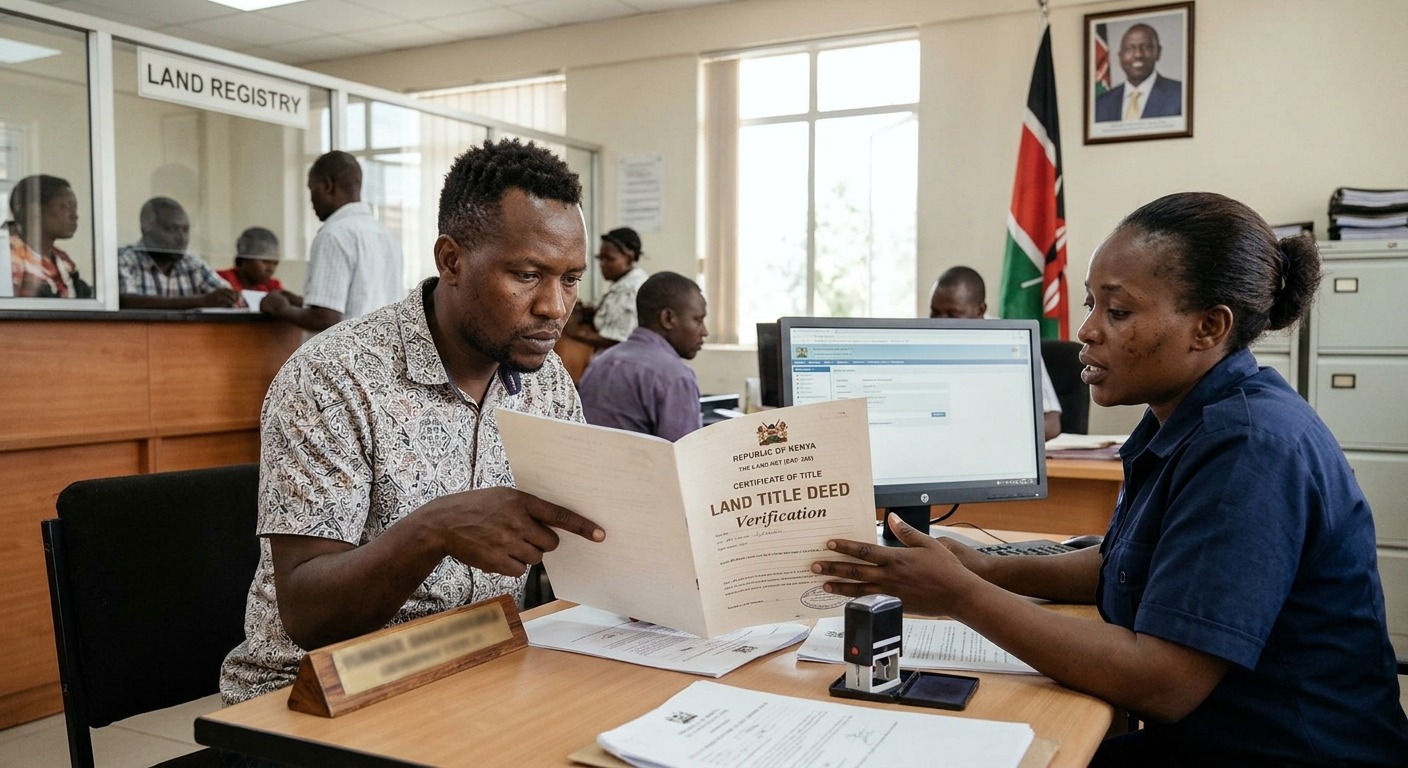
“Owning land in Kenya is a significant milestone, but your dream investment can quickly become a legal nightmare if you bypass proper due diligence. Verifying a land title deed is not optional—it is the single most critical step to securing your future and avoiding costly fraud.”
At BuyNRent, we prioritize trust and transparency in every property transaction. Our platform connects property seekers with verified landlords, sellers, and agencies, but we continuously emphasize the necessity of independent verification. A fake or encumbered title deed can strip you of your investment, making proper legal and administrative checks the only path to safety in Kenya’s dynamic land market.
Verifying a land title deed is a multi-layered process involving specific government institutions, careful documentation reviews, and on-site inspections. Do not rely solely on the copy provided by the seller or the appearance of professionalism; you must cross-reference information at the source.
Key Steps to Verify a Land Title Deed in Kenya
The fundamental step in verification is a formal search at the Ministry of Lands. This official process provides definitive proof of ownership and reveals any legal impediments that might prevent a smooth transfer of title.
Conduct an Official Land Search: Apply for a land search at the relevant District Land Registry or, progressively, through the ‘ArdhiSasa’ online platform. This official document, which usually takes a few days to process, confirms the registered owner, the total acreage, and, crucially, any encumbrances like caveats, mortgages, or court disputes registered against the land.
Verify Land Rates and Rent Status: Confirm with the County Government that all land rates and (if applicable) ground rent for the property are fully paid up. Outstanding debts can lead to significant delays and legal complications, as a title cannot transfer until a Rates Clearance Certificate is issued.
Carry Out a Physical Ground Verification (Land Survey): Engage a registered surveyor to conduct a physical survey of the land. They will match the dimensions on the deed against the actual boundaries on the ground, ensuring there are no encroachment issues or dimensional errors before you finalize any agreement.
Authenticate the Seller’s Identity: Cross-reference the seller’s original identification documents (National ID or Passport) and KRA PIN card against the ownership details listed in the official Land Search. If the seller is a company, verify its status and listed directors at the Registrar of Companies to ensure they are legally authorized to transact.
Utilize Trusted Legal and Real Estate Professionals: Never attempt this process in isolation. Retain a qualified conveyancing lawyer to oversee all documentation, facilitate the transfer, and manage any legal issues. Reputable online marketplaces like BuyNRent also provide crucial visibility and verification options within their ecosystems to assist buyers.
Protecting Your Land Investment
Fraudulent land transactions often succeed because buyers take shortcuts or succumb to pressure for a quick sale. By following these structured verification procedures and refusing to compromise on official checks, you eliminate risk and ensure your land ownership is legally sound and indisputable.
“A valid land title deed in Kenya is the foundation of secure ownership. Ensuring its authenticity before you pay requires patience, but it is the only way to build your home or business on firm, undisputed ground.”
Kenya’s land market is full of potential, but its complexity demands absolute diligence. Leverage established real estate platforms to connect with reputable professionals and follow standard government procedures without exception. Securing your investment begins and ends with verifying your title deed.
BuyNRent – Find It. Love It. Buy or Rent It.
